A towering torch showering sparks over a crowd beneath lantern-lit Bai gate towers on the night of the Torch Festival in Dali

Festivals & local experiences

One-day tours built around Dali's festivals and living traditions, to add to any of our journeys. Festivals follow the lunar calendar, so their Gregorian dates change every year; some experiences are seasonal. Add any of them to your tour and we'll book it ahead.

One-day tours · through the year

Festival & experience one-day tours

Each one is a full day you can add to any of our four signature tours or a customized trip. Open a card for the hour-by-hour plan.

Lunar 3/15–21A jockey racing a horse at the Sanyue Jie festival racecourse

Sanyue Jie · Third Month Street Festival

Type
Traditional festival · national intangible heritage
When
15th–21st of the 3rd lunar month (usually April)
Where
West of Dali Old Town, below Cangshan's Zhonghe Peak
Length
Day trip

The grandest traditional festival of the Bai people, held at the foot of Cangshan west of Dali Old Town. Over a thousand years old (also called the “Guanyin Market”), it was named the Sanyue Jie Ethnic Festival in 1991 and listed as national intangible heritage in 2008. Western Yunnan's largest trade-and-culture fair, it draws crowds of tens of thousands every day for horse racing, Dian opera and flower-lantern shows.

Best for: Anyone wanting a thousand-year ethnic fair and its festive buzz Add to my tour
Day plan
  1. Morning

    The fairground market: ethnic goods, herbal medicine, tea and snacks; watch horse racing, Dian opera and flower-lantern shows.

  2. Midday

    Bai street snacks at the fair.

  3. Afternoon

    On to Dali Old Town to join that year's special ethnic events and wrap up the day.
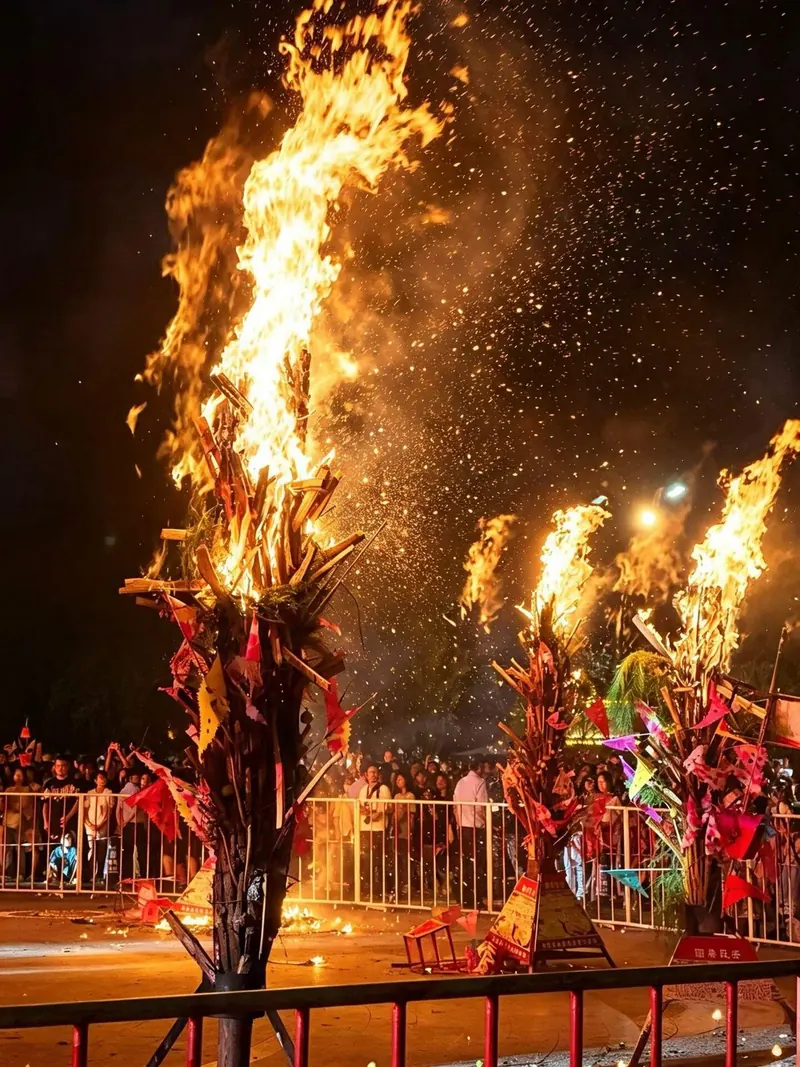
Lunar 6/25A giant burning torch above a crowd on the night of the Torch Festival

Torch Festival · Xinghui Jie

Type
Bai fire-worship festival · provincial intangible heritage
When
25th of the 6th lunar month (usually late Jul–Aug)
Where
Bai villages and across Dali
Length
Day trip — build-up by day, climax at night

A Bai festival of fire worship, also called “Xinghui Jie”, fixed on the 25th day of the sixth lunar month around Dali. Villages raise torches over ten metres tall, dressed with grain measures, flags and fruit for a good harvest. Preparations run by day; after sunset come torch worship, pine-resin tossing for blessings, the scramble for the grain measures, circling the torch and song-and-dance — often with a Bai “eight-bowl” long-table feast.

Best for: Festival revelry, night scenes and folk customs Add to my tour
Day plan
  1. Morning

    A Bai village or the old town: the story and customs of the festival, and the festive market atmosphere.

  2. Afternoon

    Watch the giant torch being raised and dressed with grain measures, flags and fruit.

  3. Dusk

    The torch is lit: resin tossing, circling the torch, song and dance — the climax.

  4. Night

    Torch parade / bonfire and a Bai eight-bowl long-table feast.

Safety: wear thick long sleeves, watch out for resin sparks and keep a safe distance from the big torch.

Lunar 4/23–25Bai performers in festival costume dancing during Raosanling

Raosanling · Bai Spring Carnival

Type
Bai “carnival” · national intangible heritage
When
23rd–25th of the 4th lunar month (usually late May–June)
Where
Along Cangshan and Erhai — the three temples
Length
Day trip, joining one stretch of that day's procession

The most distinctive spring song-and-dance gathering of the Dali Bai. In full costume, Bai people from villages around the lake sing, play the moon-lute and sanxian and dance their way from Erhai to Cangshan and back, linking three temples — the “Buddha Capital” Chongsheng, the “God Capital” Shengyuan and the “Immortal Capital” Jinkui. Known as the Bai “carnival”, it's a joyous release before the busy farming season.

Best for: Seeing Bai costume, song and dance, and spring folk customs Add to my tour
Day plan
  1. Morning

    Join the procession at that day's host village (around Shengyuan Temple / Xizhou): antiphonal singing, the overlord-whip dance and temple worship.

  2. Midday

    Bai lunch in the village.

  3. Afternoon

    Walk a stretch with the procession along Erhai's west shore and feel the spring revelry → wrap up at dusk.

The procession moves along a different route each of the three days, so which stretch we join is set by the festival calendar.

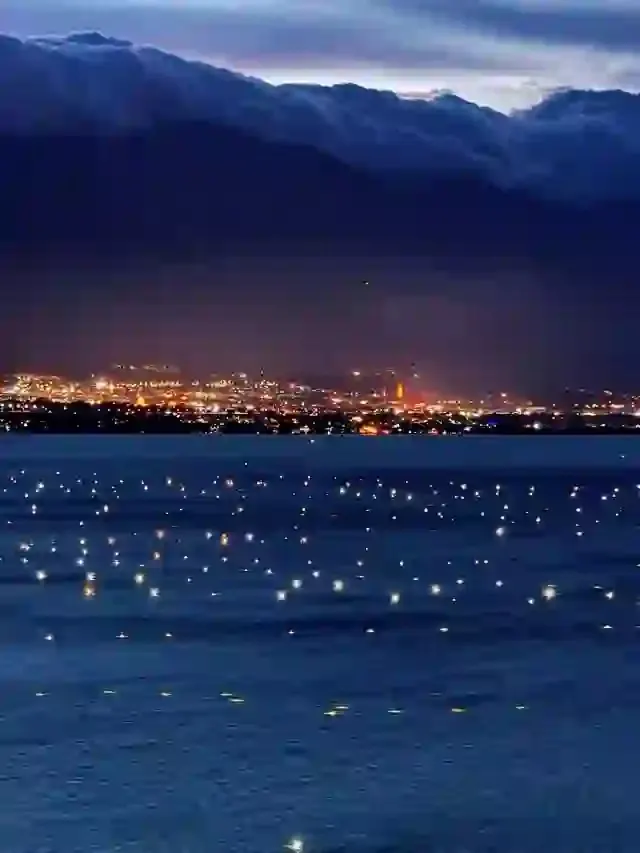
Per official datesFishing lanterns glowing across the night water of Erhai Lake

Erhai Fishing-Lantern Season

Type
Seasonal sight · ecological fish-control period (not a traditional festival)
When
Per official announcements — often autumn, around Mid-Autumn / National Day
Where
Haidong Wenbi Village, Wase Dock, Shuanglang, Xiaoputuo (adjusted for traffic)
Length
Day trip — east shore by day, lanterns at night

A limited-season night-time wonder on Erhai — not a staged light show, but real fishing lanterns. During ecological fish-control periods, fishermen light lamps at night to lure invasive small fish; thousands of lanterns spread across the water with the nets, forming a “galaxy of fishing lights”. It's loveliest at blue hour just after sunset (about 7:00–7:30 pm), when warm and cool tones contrast best. Dates are not fixed — always check the official notices first.

Best for: Photographers, and anyone who wants to see the “river of stars” at night Add to my tour
Day plan
  1. Morning

    East shore / Haidong: Wase, Xiaoputuo / Nanzhao Fengqing Island, or Shuanglang old town.

  2. Afternoon

    Coffee and views around Haidong's Wenbi Village while we wait for the light.

  3. Dusk

    Blue hour (about 7:00–7:30 pm): the first lanterns light up, with the best warm-cool contrast.

  4. Night

    The full “galaxy” from the heights of Haidong Wenbi Village / reflections at Wase Dock / “moonlight on fishing fires” at Shuanglang.

This Wenbi Village is in Haidong on the east shore — not Sanwenbi Village by the Three Pagodas. Keep clear of working boats and don't disturb the fishing; Haidong and Shuanglang get congested on holidays, so we travel off-peak. It's windy up high — bring warm layers.

Fixed market days
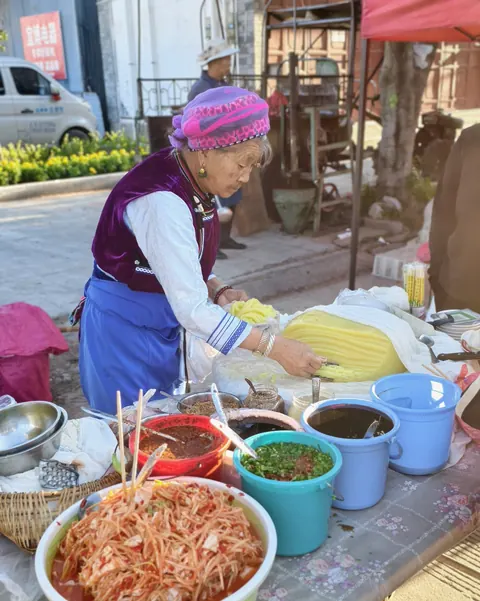
A market stall piled high with wild mushrooms and fresh produceA Bai grandmother in traditional headwear selling homemade snacks at a village marketBaskets and cloths of wild mushrooms laid out on the floor of a local market hall
1 / 3

Village Market Day · Ganji

Type
Recurring experience · local market
When
Each township on its own fixed market days (we keep a market calendar)
Where
Xizhou, Zhoucheng, Shaxi (Fridays), Yinqiao and more
Length
Day trip

“Ganji” — going to market — is a living tradition across the towns around Dali. Each holds its market on fixed days in rotation, piled with produce, mountain goods, handicrafts and everyday Bai wares: a window into real local life rather than a tourist bazaar. Xizhou, Zhoucheng, Shaxi (Fridays), Yinqiao and others each have their own days, so we match your visit to the nearest market.

Best for: Seeing real local life, not a tourist market Add to my tour
Day plan
  1. Morning

    That day's local market: produce, mountain goods, crafts and snacks — browsing alongside the locals.

  2. Midday

    Authentic Bai snacks beside the market.

  3. Afternoon

    A slow wander through nearby villages and fields, or add tie-dye or three-course tea.

Market days differ by township, so we check our market calendar against your travel dates and pick the closest one.

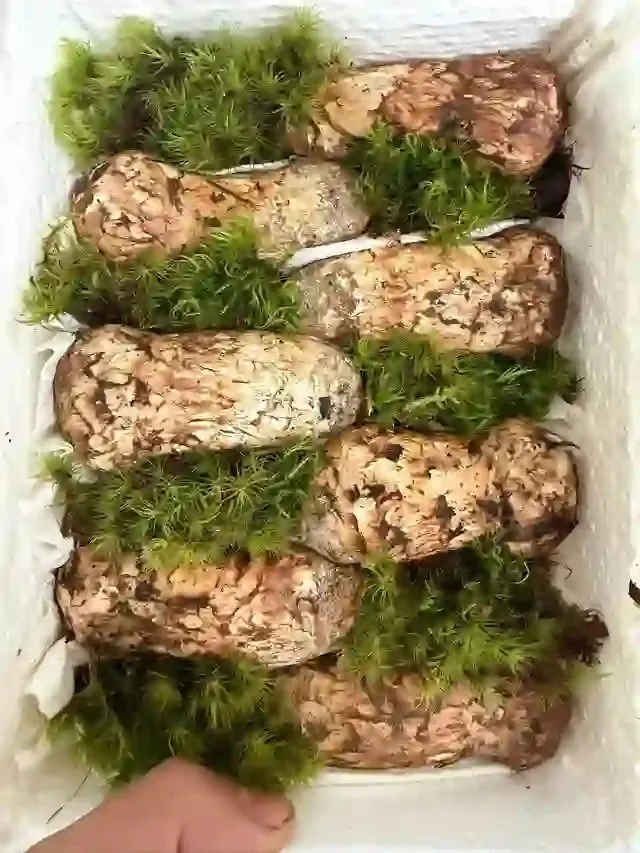
Mid-Jun – SepFreshly foraged wild mushrooms laid out with moss

Wild Mushroom Foraging

Type
Recurring experience · mushroom season only
When
Rainy season, about mid-June to September (peak July–August)
Where
Cangshan and nearby pine forests, with a local guide
Length
Day trip

A rainy-season-only experience. Head up into the pine forest with a local guide to hunt wild mushrooms — matsutake, termite mushrooms, porcini, russula and more — then round it off with a farmhouse mushroom feast. A taste of Yunnan's famous “mushroom freedom”.

Best for: Anyone wanting “mushroom freedom” and a farmhouse feast Add to my tour
Day plan
  1. Early morning

    Up the mountain with a local guide: searching the pine forest and learning to tell the species apart.

  2. Midday

    Farmhouse mushroom feast — the day's finds plus classic mushrooms, always thoroughly cooked.

  3. Afternoon

    Rest in the hills / return.

Safety first: wild-mushroom poisoning is a real risk and can be fatal. You must be led by an experienced local guide the whole time — never pick or eat anything you can't identify, and cook everything thoroughly. We recommend travel insurance.

Sanyue Jie, the Torch Festival and Raosanling follow the lunar calendar, so we confirm each year's dates for you. The fishing-lantern season is an ecological event whose timing depends on that year's official schedule — we never promise a fixed date. Village festivals such as Benzhu festivals happen only when you're lucky enough to coincide, and suit a reservation-only special trip.

Any day of the year

On the water

The lake is open whatever the season. Add any of these to a tour, or spend a whole slow day out on Erhai.

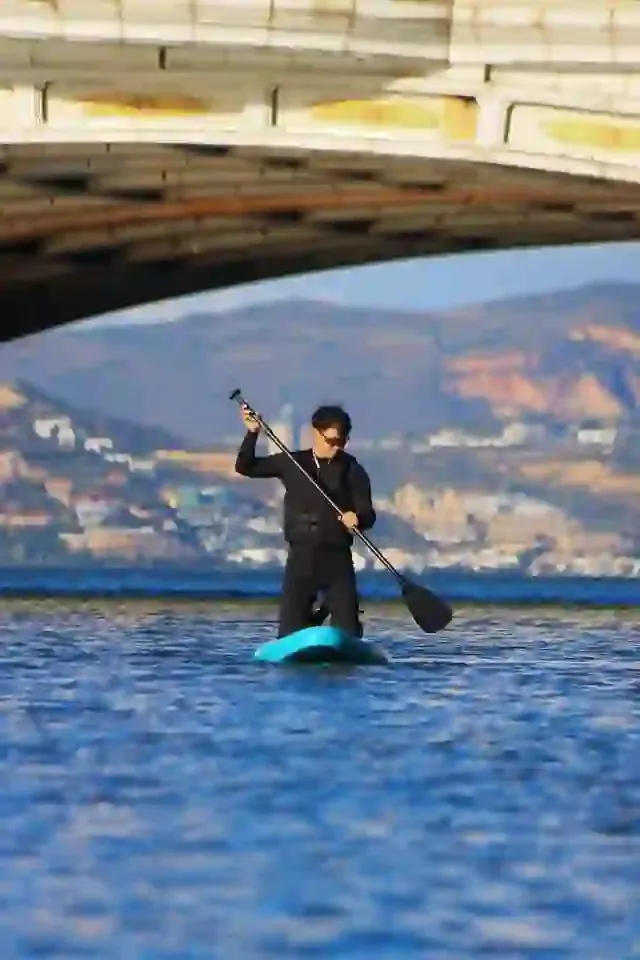
Year-roundA paddleboarder on the calm water of Erhai Lake

Stand-up Paddleboarding

Glide out over glassy water on a SUP at dawn, before the wind picks up — the calmest, closest way to feel the scale of the lake, with the mountains all around you. Beginners welcome.

Best at sunrise · all levels Add it to a tour
Year-roundA large sightseeing cruise ship crossing Erhai Lake

Erhai Lake Cruise

See the whole lake the classic way — aboard a large sightseeing ship crossing from shore to shore, with island stops such as Nanzhao Fengqing Island along the route.

Daily sailings · big ship Add it to a tour
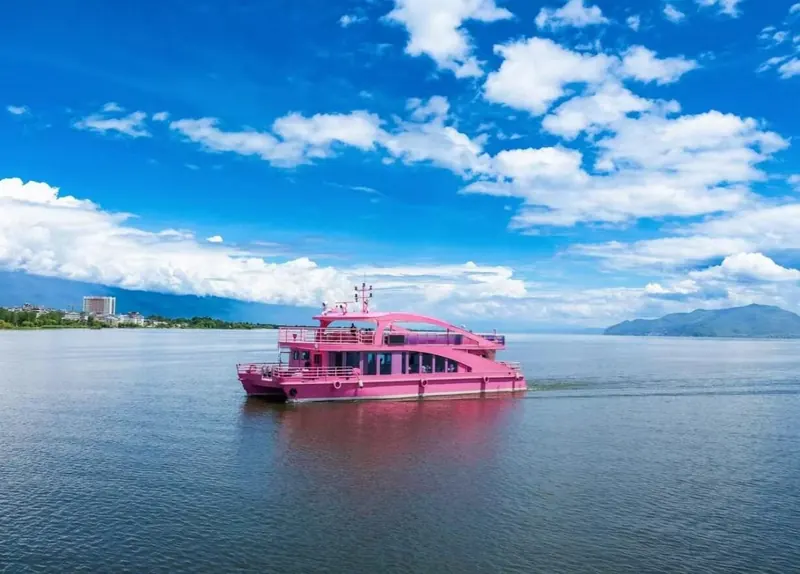
Year-roundThe pink sightseeing boat on Erhai Lake

The Pink Boat

Erhai's photogenic favourite — an all-pink sightseeing boat decked with flowers, made for golden-hour photos and a slow drift across the water. A hit with couples.

Golden hour · photogenic Add it to a tour